
Supporting Students Through Exam Season: A Tutor’s Guide
Exam season is often one of the most stressful times in a student’s academic journey. Deadlines, pressure to perform, and balancing multiple subjects can lead to anxiety, burnout, and disorganized study habits. As a tutor, you play a vital role not only in helping students understand content but in giving them the tools, structure, and confidence to thrive under pressure.
Here’s how you can support your students through exam season with both strategy and empathy.
Understanding How Students Learn
Learning is more than memorizing facts. It’s a dynamic process where the brain actively encodes, stores, and retrieves information.

1. Encoding: The Gateway to Learning:
Encoding is the brain’s first step to processing and making sense of new information. Students encode material most effectively when they:

Use multiple senses:
Combine visuals, speaking, movement, and writing.

Focus attention:
A distraction-free environment is essential.

Link new ideas to familiar knowledge:
Even briefly, connecting new material to something they already know can improve retention.

2. Storage: Stabilizing Knowledge:
After encoding, information needs to be consolidated into long-term memory.

Spaced repetition:
Reviewing information over time (not cramming) leads to better long-term retention .

3. Retrieval: Reinforcing and Reshaping Memory:
Retrieval is a process of accessing long-term memories and making them available for your brain to use, prompted by a cue (Recall refers to this same process without a cue/prompt) . Each instance of retrieval strengthens the memory trace.
For learning to stick, students must move information from working memory (short-term thinking space) into long-term memory (where knowledge is stored for the future). Without regular review and retrieval, even well-understood concepts can fade over time.
That’s why repeated practice is critical even for material a student feels confident about.
How to Support Students with Studying:

Start With a Clear, Personalized Plan:
Every student is different. Some may need help managing their time, others struggle with motivation, and many don’t know where to begin. Start by:
Assessing priorities:
Identify which exams need the most attention based on difficulty, performance history, and exam weight.

Creating a realistic schedule:
Help them break revision into daily chunks with time for breaks, practice, and rest.

Setting goals:
Daily or weekly goals provide a sense of direction and accomplishment.

Incorporate Study Techniques:
Students often equate hours spent with productivity—but smart studying is more effective than just studying hard.
Introduce them to evidence-based strategies like:
Active recall:
Self-quizzing and flashcards.
Spaced repetition:
Revisiting information over increasing intervals.

Interleaved practice:
Mixing different subjects or topics during study sessions.

Subject-specific strategies can help too:

For math/science:
Practice problems under timed conditions.

For humanities:
Encourage essay outlines, mind maps, and verbal summaries.
Use online Tools


Quizlet:
- Create and share custom flashcard sets
- Use built-in games like “Match” and “Gravity”
- Try “Learn Mode” for adaptive studying
- Great for vocabulary, definitions, and key concepts
- You can upload documents or paste text from class notes to create resources
Kahoot:
- Turn review sessions into fun, interactive quizzes

Blooket:
- Engaging quiz-style games for content review
- The discover function allows you to search pre-made content by subject/strand
Use a Cue Card System


One concept per card:
- Helps reduce cognitive overload.

Use bullet points:
- Use bullet points, key terms, or short definitions instead of paragraphs.

Encourage students to look at the prompt/question:
- Encourage students to look at the prompt/question, then recite the answer from memory before flipping the card.

For example:
Front: “What is mitosis?”
Back: “The process by which a cell divides into two identical daughter cells.”

Create three piles:
- Pile 1: New cards (review daily)
- Pile 2: Somewhat known (review every 3 days)
- Pile 3: Mastered (review weekly)
- Move cards between piles based on how well the student answers.
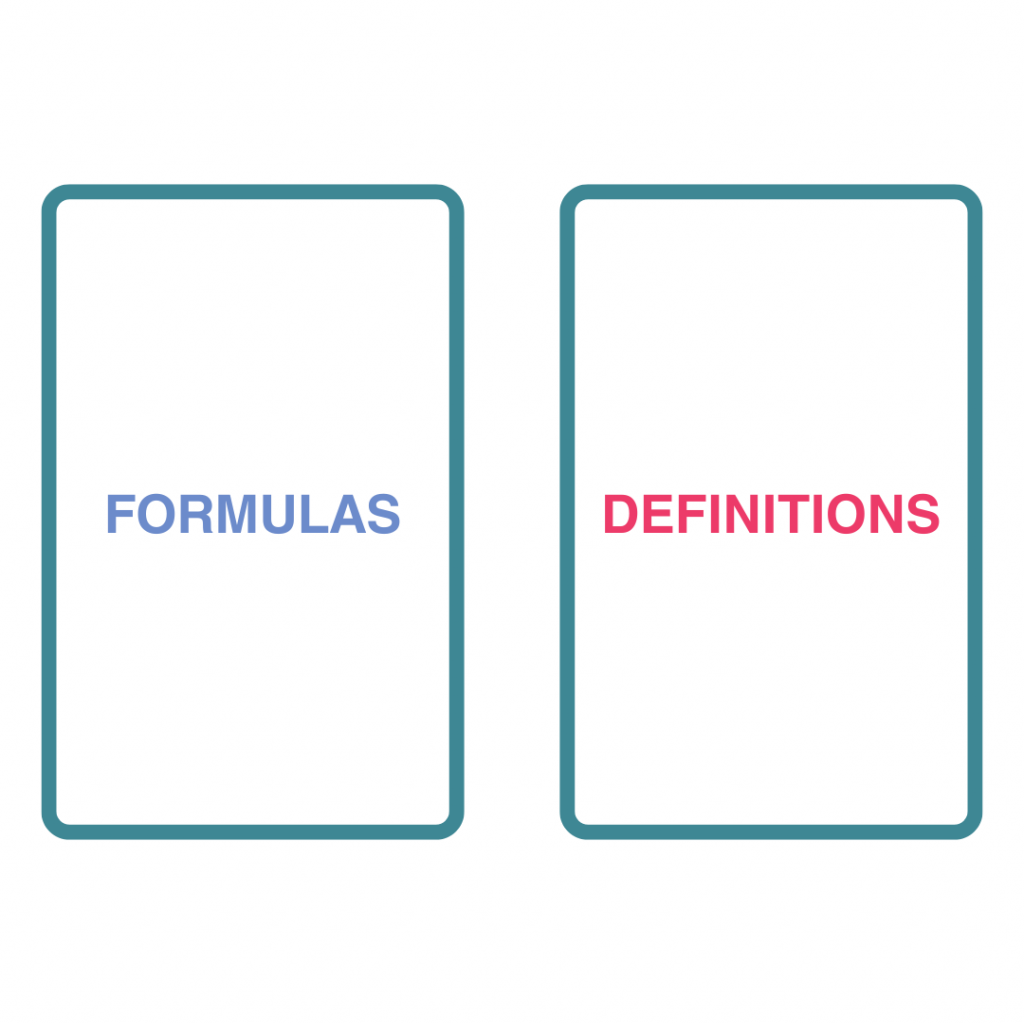
Use different colors for categories:
- (e.g., red for definitions, blue for formulas).

Add symbols or doodles:
- Add symbols or doodles to engage visual learners and create memory anchors.
Practice Exam Techniques
Knowing the material is a great first step, but students also need to learn how to apply it under exam conditions.


Simulate mock exams:
- Provide students with mock exam questions

Teach time management:
- Help them allocate time per question.

Review answers together:
- Go beyond right or wrong and focus on how they approached each question.
Support Their Mental and Emotional Well-being
Tutors often see signs of burnout or anxiety before parents or teachers do. Be proactive in supporting your students emotionally:


Check in regularly:
- Ask how they’re feeling, not just how they’re performing

Normalize stress:
- Let them know anxiety is common and manageable.

Encourage breaks, sleep, and healthy routines:
- Help them understand that rest is part of success.
You can also recommend simple mindfulness exercises, breathing techniques, or short walks to reset the mind.
Being a tutor during exam season goes far beyond teaching content. It’s about guiding students through one of the most demanding parts of their school year with empathy, structure, and strategy.
By offering consistent support, customized study plans, and motivational coaching, you can help your students face exams with confidence—and finish strong.

Hi! I’m Gabrielle Lau, but feel free to call me Gabby. I am delighted to join the Totally Tutors team as a guest writer.
My educational journey has been filled with challenges that have shaped my passion for learning and advocacy. Growing up I had a complicated relationship with school – despite my love for learning, I struggled to keep up and feel prepared, particularly as expectations and the business of life increased. My diagnosis of ADHD Combined Type in 8th grade provided clarity and became a turning point in my life.
Embracing this diagnosis, I pursued a holistic treatment approach that included medication, therapy, and organizational coaching. This fostered confidence and acceptance for my neurodivergent identity.. Now, at 22, as I approach the completion of my Bachelor of Science in Neuropsychology, I am eager to support others on their journeys similar to mine.
My goal is to highlight important ADHD research and provide support for the well-being and success of students and their families. I firmly believe that understanding our brains enables us to navigate challenges and leverage our strengths. I look forward to sharing valuable research insights to inspire and empower positive educational journeys!
Recent Comments